Designing a Dementia-Friendly Living Environment: Practical Tips for Families
Caring for a loved one with dementia brings daily challenges that most families are not prepared for. I remember walking into my aunt's house after her diagnosis and realizing how disorienting her own home had become. The cluttered countertops, the patterned rug that looked like a set of stairs, the dark hallway leading to the bathroom - every detail seemed to work against her. That experience taught me something important: the space we live in can either support or confuse someone with memory loss. Creating a dementia-friendly living environment is not about expensive renovations or medical equipment. It is about thoughtful changes that reduce stress, encourage independence, and keep people safe.
Why the Physical Space Matters
Dementia affects how the brain processes sensory information. A person may see shadows as holes in the floor, or mistake a reflection in a mirror for another person. These perceptual shifts are not something they can control. So the design of their home has to compensate for those changes. A dementia-friendly living environment uses clear visual cues, consistent layouts, and good lighting to help the person navigate without confusion. I have seen families reduce anxiety and agitation simply by removing clutter and adding color contrast between walls and doors.
Think about how exhausting it must be to feel lost in your own home. That is the reality for many people with dementia. They cannot always rely on memory to find the bathroom or the kitchen. So the environment has to do the remembering for them. Open floor plans with visible landmarks, like a bright piece of furniture or a familiar photograph, can guide them naturally. One of the best pieces of advice I ever heard came from an occupational therapist: "Design for the person they are today, not the person they were."
Lighting and Color: The Basics That Make a Difference
Lighting is one of the most overlooked elements in a dementia-friendly home. Harsh overhead lights can cause glare, which is confusing and even painful for someone with vision changes. Soft, even lighting from multiple sources works much better. I recommend using daylight-spectrum bulbs in common areas and warm bulbs in bedrooms. And always minimize shadows. A shadow across the floor can look like a hole or a step, making a person hesitate or stumble.
Color contrast helps with depth perception. For example, a white toilet against a white floor disappears. But a colored toilet seat or a dark-colored rug around the base makes it visible. Similarly, using a different color for the bathroom door than for other doors helps a person find it more easily. One family I worked with painted the bathroom door a bright teal, and their mother stopped having accidents because she could locate it from anywhere in the hallway. Small changes like that can restore dignity and reduce caregiver burden.

Safety Without Sacrificing Comfort
Safety is a top concern, but it does not have to mean turning a home into an institution. Grab bars in the bathroom, non-slip flooring, and rounded furniture edges are standard recommendations. But you can also add safety features that blend in. For example, a decorative handrail along a hallway can look like a design choice while providing support. Motion-sensor nightlights in the bathroom and bedroom prevent falls without needing to remember to turn them on.
Another critical safety issue is wandering. Many people with dementia become restless and try to leave the house, especially in the late afternoon or evening. A secure dementia-friendly living environment uses locks that are out of sight or require a key, but these should be installed without making the person feel trapped. Curtains or blinds that cover the door can reduce the urge to go outside by removing the visual cue. Some families use a small bell on the door to alert caregivers when it opens. These solutions respect the person's need for movement while keeping them safe.
Connect with us on Facebook.
Memory Aids and Familiar Objects
Familiarity is a powerful tool. When a person with dementia sees objects from their past, it can spark recognition and calm. A favorite armchair, a quilt their mother made, a set of dishes from their wedding - these items anchor them to their identity. I always advise families to bring meaningful items into the main living area, not hide them away. A memory box on the wall with small keepsakes and photographs can prompt conversation and connection.
Labels also help. Clear labels on drawers and cabinets with both words and pictures make it easier for a person to find a cup or a towel without asking for help. But be careful not to over-label. Too many signs can feel like a hospital. Use labels only where confusion is likely, such as the bathroom or the kitchen sink. And use a font size and contrast that is easy to read. One woman I know put a picture of a fork on the silverware drawer. It seems simple, but it made her grandmother feel more independent.
Reducing Overstimulation
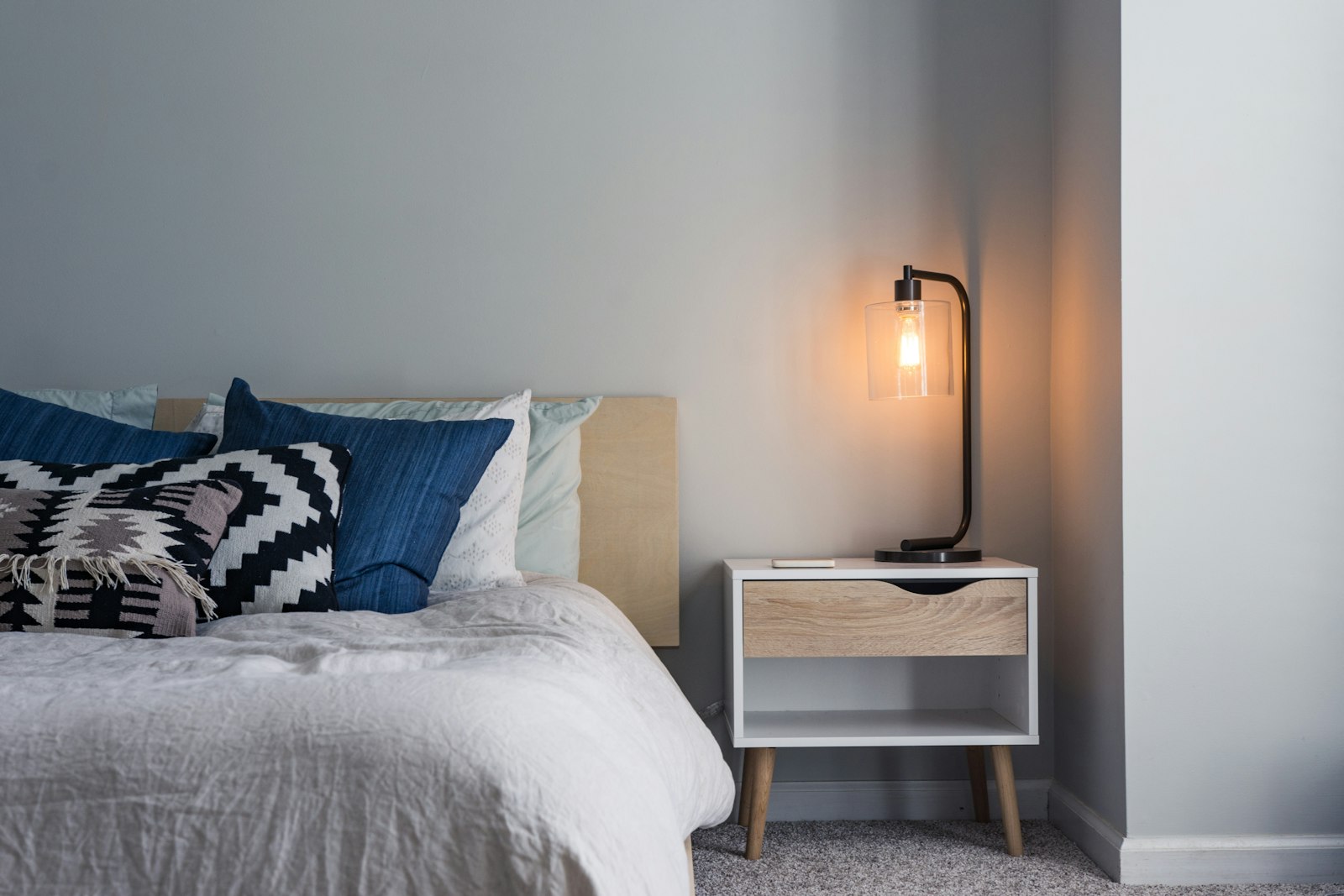
Noise and visual chaos can trigger agitation in someone with dementia. A television playing in the background, a ticking clock, or a busy wallpaper pattern can be overwhelming. The goal of a dementia-friendly living environment is to reduce unnecessary stimuli. That means choosing solid colors over busy patterns, using soft fabrics to absorb sound, and keeping the TV off unless someone is actively watching it. I have visited homes where every wall is covered with family photos, and while the intention is loving, the effect is disorienting. Instead, rotate a few photos at a time and keep the rest in a photo album.
Outdoor spaces matter too. A small patio or garden with a bench and some potted plants can provide a calming retreat. Even a bird feeder outside a window can offer gentle engagement. The key is to create a space that feels safe and predictable, where the person can relax without being overstimulated.
Flexibility Over Time
Dementia is progressive, and what works today may not work next year. The best living environments are flexible. For example, open shelving can be helpful early on when a person can still recognize objects, but later it may become confusing. At that point, closed cabinets with simple handles might be better. Similarly, a person who once enjoyed cooking may eventually find the stove dangerous. Installing a stove shut-off device or removing the knobs can allow them to still be in the kitchen without risk.
I encourage families to think about the next stage but not to change everything at once. Making small adjustments gradually helps the person adjust and maintains their sense of control. It also allows the caregiver to see what actually works. No two people with dementia are exactly alike, and a solution that works for one may not work for another.
Community and Support Resources
Creating a dementia-friendly living environment is not something families have to do alone. Occupational therapists, dementia care specialists, and even local home modification programs can offer guidance. Some communities have demonstration homes where families can see these principles in action before making changes. And many assisted living communities now design their memory care units around these same ideas, offering a safe and supportive setting when home care becomes too challenging.
Hibiscus Court, located at 540 E Hibiscus Blvd, Melbourne, FL 32901, USA, provides assisted living, memory care, and respite services with personalized support for seniors and their families, and can be reached at +1 321-361-5997 for those seeking a professionally designed environment that puts these principles into practice.